
Embracing Freedom: Helpful Tips for Traveling Solo after Retirement (or Anytime)

You've worked for decades and probably even traveled on vacation, but now that you're retired you're not constrained by limited vacation days or needing to return for that important meeting, so you're dreaming of far away places. You're excited to branch out and visit your bucket list destinations.
It's fun to share travel experiences with a significant other or a friend, but solo travel also has its advantages. For one thing, it allows you to chart your own course and be totally flexible. If you're like us, you prefer not to be part of an organized tour. I like my independence and the flexibility that traveling solo provides. I'm fortunate to often have Paul, my husband and best friend to travel with, but as we age, he's often happy to keep the home fires burning while I continue to explore. Here are some tips that might come in handy if you're contemplating traveling solo.
Your Accommodations

Whether you opt for an apartment or a hotel, do your research. Many people choose apartments because it helps them feel more like a local and they can save money by cooking some of their own meals. While I've stayed in and enjoyed my share of apartments, I also sometimes opt for hotels, especially in cities I'm visiting for the first time.
The advantage of a hotel as a solo traveler is that most have a 24-hour manned desk and they're often great resources for information. Recently I became ill in Europe and needed to see a doctor. I was relieved to not only get a referral to a nearby doctor from the gentleman at the front desk, but he also made the appointment for me. Had I been in an apartment, the task would have been much more daunting.
Make sure your accommodations are in an area that is safe to walk around, especially in the evening. If I'm going to a city for the first time (solo or not), I Google "where to stay in [city]". Articles often break down areas based on different interests such as entertainment, shopping, cultural or food offerings, safety, or the best place to stay if this is your first visit. Once you've narrowed your location, read hotel or apartment reviews carefully.
Many apartments and some smaller hotels don't have elevators, so if you aren't able to walk up multiple flights - or just don't want to - ensure that your lodging has an elevator. Sometimes it requires asking the manager or owner before you book. By the way, in Europe floors are numbered differently than they are in the US; for example their third floor is our fourth, etc.


These were the lovely steps leading to my apartment on Ile Saint-Louis in Paris. The apartment was on the first floor (European) so I didn't mind climbing one flight.

As an aside, this was the inside of the door in my building on Ile Saint-Louis. It looked more like a torture device than a door and it took me a minute to figure out how to open it. (It was a button on the wall!)
If you're in a big city and you want to use public transportation, make sure your lodging is near a subway, bus or tram stop. I depend on the metro a lot in Paris and I recently decided not to book a beautiful hotel there because there are no metro stops nearby and I know I won't want a long walk back from the metro after a day of exploring on foot.
It's common for hotels in Europe and elsewhere to ask you to leave your room key at the desk when you go out for the day, especially if the key is a large, old-fashioned one. I've heard a lot of people complain about this, but I like it since there's no chance of it being lost or stolen (plus, many of them are bulky and heavy!). If you do stay in an apartment, make sure you have a way to contact the owner or manager in case you leave without the key or you lose it.
Consider a hostel. They're not just for students and backpackers anymore and many have private rooms. Hostels often have happy hours where you might be able to meet like-minded travelers.
This is the view from the bedroom of my apartment in Montmartre.

Safety

Safety should be your #1 consideration no matter how you travel, but especially as a solo traveler. Here are some things to keep in mind if you're traveling solo.
Leave a copy of your itinerary with a friend or relative at home. If it changes while you're gone, let them know.
Keep one credit card separate from your cash and other cards.
Don't carry a lot of cash; you may need some for tips or small shops that don't take credit cards, but in most countries you won't need much.
Keep a copy of the picture page of your passport separate from your passport and leave one at home.
Take a copy of the front and back of your credit cards, including the number to call if the card is lost or stolen and keep it separate from your cards.
Women, if you need a purse, make it a cross-body with RFID blocking capabilities. I always clutch it in a crowded subway or anywhere when I'm in a group of people.
Men, don't carry your phone or other valuables in your breast pocket. Investing in a money belt or cross-body bag will give you peace of mind.
Grab a card from your hotel or write down the address of your apartment to show to a driver, especially of you don't speak the language.
If you're staying in a hotel, remember to lock your suitcase before you leave for the day if you leave anything in it.
There's a lot of discussion around using hotel safes. I usually leave valuables in my locked suitcase. I don't carry my passport with me unless I know I'm going to need it (which is almost never). If you use the hotel safe, remember to empty it before you check out! One trick is to leave a shoe in the safe.
If you use a backpack, be sure it's completely zipped. I sometimes still wear mine on my back, but more often I put it on my shoulder and clutch it to me. I always take it off if I'm in a subway or anywhere where there's a press of people and keep it close to my body where I can keep my eyes on it.
Ladies, when you're eating in a restaurant, put your purse on your lap. Never drape it over the back of your chair or put it on the floor without it being attached to your body somehow.
Don't fall for scams. Ignore people who come up to you seemingly with a question or to sign a petition. Trust me, they want to distract you while stealing from you.
If you're American, you should consider enrolling in the Smart Traveler Enrollment Program with the US State Department. This program lets the State Department know where you'll be so they can email you with updates or advisories.
Be aware of your surroundings. Our phones are so helpful in getting around, but try not to bury your nose in your phone.
Sign Up for Walking or Day Tours

If walking isn't a problem for you, sign up for a walking tour, some of which are free and ask only for tips. This is a great way to learn about a new city, see things you wouldn't have otherwise discovered and even meet other travelers. Recently in Cape Town, S. Africa, I was the only person who signed up for a particular walking tour, so I ended up with a private tour.
The same goes for a day or half-day tour. If you have time, sign up for a tour outside of the city in which you're staying. I've met so many fascinating people on day tours, many of whom are also traveling solo. Tripadvisor is a good resource or Google "day trips from [city]".
Dining

This can be the most difficult thing to do for solo travelers. I use the time to people watch, but if people watching isn't your thing, bring your e-reader and finish that book you've been working on. In Europe (and many other parts of the world) you can sit at your table for as long as you want and ask for the check at your convenience. And who knows, you might be able to strike up a conversation with diners at the next table; I've had some very interesting conversations with fellow diners from all over the world.
Volunteer Vacations
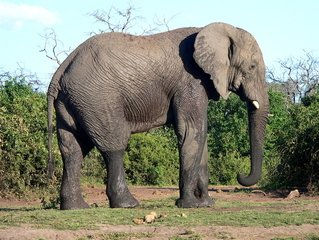
Love animals? Do you have a specific skill that could be put to good use? Consider being a volunteer for a week or longer. Whether it's building houses, teaching, or rehabilitating wildlife, consider contributing your skills to help others. It can be a rewarding way to meet other like-minded travelers and get up close and personal with locals.
Packing

Full confession; until recently I was a chronic over-packer. As I age I appreciate more and more not having to lug heavy suitcases around.
I almost always carry on my bag. It avoids the possibility of losing it or having it delayed especially if your trip includes one or more connections, and since it's a small suitcase it's lighter and easier to manage than a larger bag, plus you avoid having to wait for your checked bag upon arrival. I always take a backpack which is large enough to accommodate small souvenirs if I run out of room in my suitcase.
I love my Away hard-sided carry-on pictured above. Beware that airlines (especially outside N. America) have different (read: smaller) size restrictions than US airlines do. One of the reasons I bought this one from Away was that it conforms to most international airlines' requirements.
There's no need to take a different outfit for each day. The only person who's going to know you've worn the same pair of pants for three days straight is you, so who cares? Many hotels have laundry service and it's not too hard to find an apartment with a washing machine even if you have to hang your clothes to dry. I usually take two pairs of walking shoes to be kind to my problematic feet. If I know I'm going to a fancy restaurant or an event (which is not often when I travel solo), I also take a pair of dressier flats.
For clothes, I usually stick to one color such as black in the colder months or a neutral color like beige in warmer weather and add color with tops and scarves. I pack a couple of scarves to add variety and they also come in handy if my flight is cold. If I'm traveling in the shoulder months I always take a rain jacket with a hood.
Leave the hairdryer at home. It's provided by hotels and most apartments. It may not be up to what you're used to, but it gets the job done.
And whether traveling solo or not, never pack your medications or electronics in your checked luggage. If your bag is lost or delayed you'll be sorry. We made that mistake many years ago when my husband packed his meds in his checked bag on our way to Turkey. His suitcase was stolen along the way and it could have been a major headache (no pun intended!). When we arrived in Istanbul he called his doctor who said he'd be okay for the duration of the trip without them, but today that wouldn't be the case. The same advice goes for electronics. Being without electronics isn't a life or death situation, but it's sure inconvenient.
Electronics
Don't forget an adapter. Google the type you'll need for the country or countries you're traveling to and consider a universal adapter which works just about anywhere.
Buy a tracking device (like an air tag if you're an Apple user) and put it in your luggage, purse and backpack. They're great if you misplace something and especially in the case of theft.
I use my smart phone for directions and photos so by the end of the day the battery is usually either very low or completely dead. Remember to give your phone a charge mid day so you don't get caught without it. External chargers are getting smaller and smaller, so they're easy to carry.
Don't Overplan

Of course you want to maximize your time, but be realistic, too. I used to walk 20,000 - 25,000 steps a day without a problem, but those days are over. Leave room in your day to schedule down time either at a cafe, a park or back at your lodging so you can get a second wind for the evening.

Airport/Train Station Transportation

Especially if I arrive at a new city, I arrange transportation either through my hotel directly or through a third party. It usually costs a little more, but I like the security of seeing my name when I emerge from passport control. I especially like it when I arrive after dark. In many larger cities there are people who try to lure you to their "taxi". Don't take the bait; go to the official taxi line which should be well marked, but if not, ask an official at the airport or train station to make sure you end up on a legit, authorized vehicle. Most of them take credit cards, but I always confirm before I get in.
Beware of What You Eat and Drink

Do some research about food and water before you leave. Is the hotel water safe to drink? Depending on where you are or the type of hotel you're in, you may be able to brush your teeth with the water and take a shower, but be advised not to drink it. Always ask for bottled water if you're unsure and beware of ice in drinks. If I'm going to a country where the water and/or food is iffy I get a prescription before I leave for a broad-spectrum antibiotic just in case (and I've been glad to have it once or twice).
When to Go

I prefer to travel during the shoulder seasons, spring and fall. There are several advantages to traveling during these seasons if you can; airfares and hotel rates are usually lower, there are normally fewer tourists and as one who doesn't like to travel when it's hot, the cooler weather is more conducive to a long day of walking.
If traveling during holidays is an option, December can be a magical time, especially in Europe where many cities host incredible markets and Christmas concerts and the decorations are beautiful. Holidays can be fun, but remember that many stores and some restaurants will be closed. Do your research and Google public holidays for the cities and countries you want to visit, either to avoid them or to take advantage of them.

Trip Insurance
Consider buying trip insurance before you go. Like any insurance, it will give you peace of mind if nothing else. Policies often include transportation home in the event of a major issue. I usually fly Delta and they offer Allianz insurance when I book my flights. Check with your carrier when you make your flight reservation or google travel insurance online.
And Finally...

A little thought and preparation on the front end can make the difference between a fun, engaging vacation or a disaster.
Are there any hints that have helped you travel solo? If so, include them in the comments.
Save travels and...
Bon Voyage!


Comments